
Outdoor Games That Improve Coordination
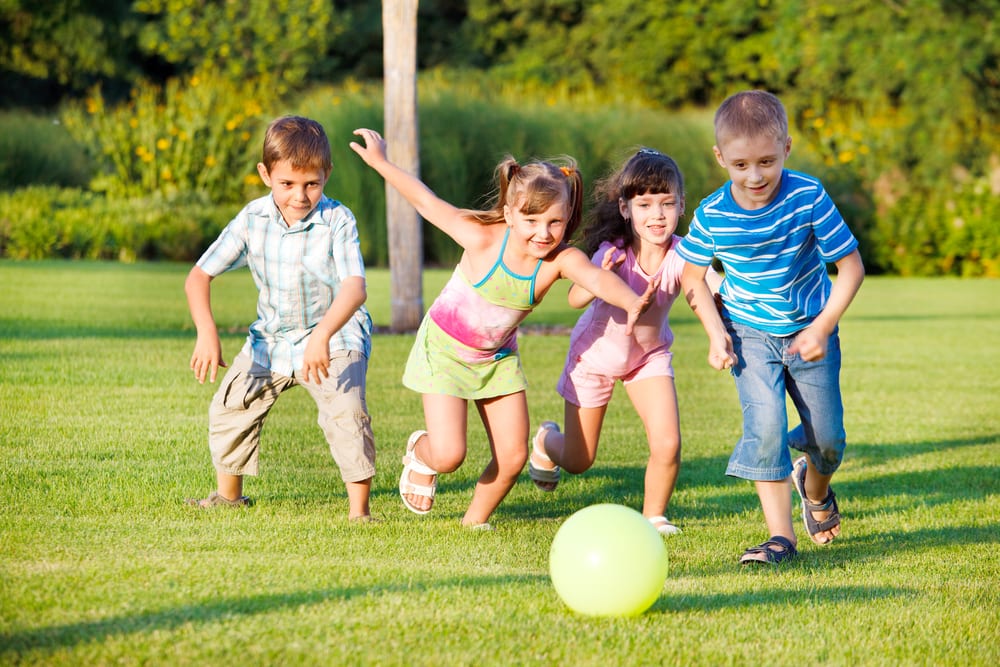
Outdoor games do more than provide entertainment—they help develop coordination, balance, timing, and body control in a natural and enjoyable way. Whether played individually or in groups, these activities strengthen both physical ability and mental focus while encouraging movement in fresh air 🌿
Regular participation in coordination-based outdoor games supports healthier posture, faster reflexes, and improved confidence in everyday physical tasks.
What Is Coordination and Why It Matters
Coordination refers to the ability to use different parts of the body smoothly and efficiently together. It includes:
- hand-eye coordination
- foot-eye coordination
- balance control
- timing and rhythm
- spatial awareness
Strong coordination helps children and adults perform daily activities more safely and effectively, from walking and running to sports participation.
Catch and Throw Games
Simple catch-and-throw games are among the most effective coordination builders.
These activities improve:
- reaction speed
- tracking moving objects
- arm control
- timing accuracy
Players learn to predict movement while adjusting their body position quickly. Even casual variations like tossing a soft ball between friends can strengthen reflexes significantly.
Hopscotch
Hopscotch is a classic playground activity that develops coordination through controlled jumping and landing patterns.
It strengthens:
- lower-body control
- balance while hopping
- spatial awareness
- rhythm and sequencing skills
Because players must follow numbered patterns while maintaining stability, the brain and body work together continuously.
Jump Rope
Jump rope is a powerful coordination exercise disguised as a fun outdoor game.
It improves:
- timing between hands and feet
- cardiovascular endurance
- posture stability
- movement rhythm
Even short sessions can noticeably enhance agility and control over body movement.
Soccer
Soccer encourages full-body coordination through continuous movement and teamwork ⚽
Key coordination benefits include:
- foot-eye coordination
- directional control
- balance while running
- quick decision-making under movement pressure
Passing, dribbling, and shooting all require synchronized body action.
Tag Games
Tag games involve chasing, dodging, and sudden changes in direction.
They enhance:
- reaction time
- body awareness
- speed control
- movement prediction
Because movement patterns constantly change, players naturally sharpen their coordination without structured training.
Frisbee Throwing
Frisbee games strengthen coordination by requiring accurate tracking and controlled throwing techniques.
Players develop:
- arm precision
- timing judgment
- hand positioning skills
- movement tracking in open space
Frisbee activities are especially useful for improving long-distance object tracking.
Obstacle Course Challenges
Outdoor obstacle courses combine multiple coordination skills in one activity.
Typical movements may include:
- crawling under barriers
- balancing on narrow surfaces
- jumping over objects
- weaving between markers
These varied motions encourage full-body coordination development while keeping gameplay exciting and dynamic.
Relay Races
Relay races introduce coordination through teamwork and movement sequencing.
Participants improve:
- transition timing
- running control
- object passing accuracy
- movement planning
Because players must coordinate actions with teammates, both physical and mental coordination improve together.
Balance-Based Walking Games
Walking along drawn lines, narrow paths, or low beams strengthens stability and movement control.
These activities improve:
- posture alignment
- foot placement accuracy
- controlled movement speed
- body awareness during motion
Even simple balance challenges can produce noticeable improvements over time.
Benefits of Practicing Coordination Through Outdoor Games
Outdoor coordination games provide advantages beyond physical fitness.
They help:
- strengthen muscle memory
- improve concentration
- reduce injury risk
- support faster learning of new sports skills
- increase confidence during movement activities
Fresh air and open environments also make these exercises more enjoyable and motivating 🌞
Tips for Getting the Most Coordination Benefits from Outdoor Games
Consistency plays an important role in coordination development.
Helpful strategies include:
- practicing regularly instead of occasionally
- starting with simple movements before increasing difficulty
- encouraging variety across different game types
- maintaining proper posture during play
- keeping sessions enjoyable rather than competitive
When games remain fun, participants naturally stay engaged longer.
FAQs About Outdoor Games That Improve Coordination
1. At what age should children start coordination-based outdoor games?
Children can begin simple coordination games as early as preschool age, with activities adjusted to match their physical abilities.
2. How often should coordination games be played for noticeable improvement?
Practicing several times each week typically leads to steady progress in movement control and balance.
3. Can adults improve coordination through outdoor games too?
Yes. Coordination improves at any age with regular movement practice and participation in skill-based activities.
4. Do coordination games help with academic performance?
Better coordination supports brain-body communication, which may indirectly improve attention and classroom focus.
5. Are group games better than solo coordination activities?
Both are effective. Group games improve reaction timing with others, while solo games strengthen personal movement control.
6. What surfaces are safest for coordination-based outdoor games?
Flat grassy areas, playground flooring, and open parks are ideal because they reduce slipping risks.
7. Can coordination games help prevent sports injuries?
Yes. Improved balance, timing, and body awareness reduce the chances of falls and improper movement patterns during physical activity.