

Why Casual Games Are Becoming More Popular
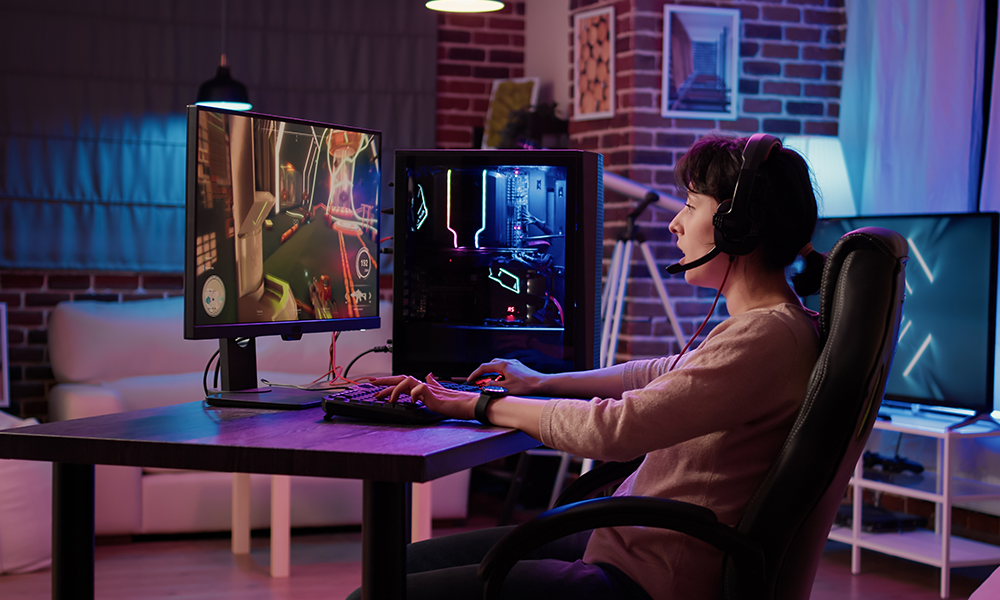
Casual games have quietly reshaped the gaming landscape. Once seen as simple time-fillers, they are now a dominant force across smartphones, tablets, and even PCs. From puzzle apps played during short breaks to relaxing simulation games enjoyed at night, casual gaming has become part of everyday life for millions of people worldwide 🎮📱
This growing popularity isn’t accidental. It reflects deeper shifts in technology, lifestyle habits, and entertainment preferences.
What Are Casual Games?
Casual games are easy-to-learn, quick-to-play games that don’t require long sessions or advanced gaming skills. They are designed for accessibility rather than complexity.
Common examples include:
- Puzzle games
- Match-three games
- Endless runners
- Word games
- Idle simulation games
- Card and board-style mobile games
Unlike traditional console titles, casual games prioritize simplicity, convenience, and instant enjoyment.
The Rise of Smartphones Changed Everything
The biggest reason behind the surge in casual gaming is the widespread adoption of smartphones.
Today, nearly everyone carries a gaming device in their pocket. This has removed the traditional barriers to entry such as:
- Expensive consoles
- High-end PCs
- Complex controllers
- Long installation times
Instead, users can download a game within seconds and start playing immediately. This accessibility makes casual gaming available anytime and anywhere.
Short Play Sessions Fit Modern Lifestyles
Modern life is busy. People rarely have time for long gaming sessions during workdays.
Casual games solve this problem perfectly because they:
- Allow quick gameplay sessions
- Save progress automatically
- Require minimal commitment
- Provide instant rewards
Someone can play while commuting, waiting in line, or relaxing between tasks. These short interactions make gaming feel natural rather than time-consuming.
Simple Gameplay Appeals to Everyone
Traditional video games often require experience, strategy, and patience. Casual games remove these obstacles.
Their design focuses on:
- intuitive controls
- easy objectives
- gradual difficulty progression
- relaxing experiences
This inclusivity allows players of all ages to participate, including children, adults, and seniors alike 👨👩👧👦
Casual gaming is no longer limited to a specific audience—it has become universal entertainment.
Free-to-Play Models Encourage Experimentation
Another major factor driving popularity is the free-to-play business model.
Many casual games:
- cost nothing to download
- offer optional in-game purchases
- provide rewards through advertisements
- allow players to try before spending
Because there’s little financial risk, users are more willing to explore new titles.
This encourages experimentation and increases overall engagement.
Stress Relief and Relaxation Benefits
Casual games are often designed to feel calming rather than competitive.
Players enjoy:
- soothing visuals
- repetitive satisfying mechanics
- relaxing background music
- simple achievements
For many users, casual gaming functions as a quick mental break from daily stress 🧠✨
Instead of intense concentration, these games offer light entertainment that refreshes the mind.
Social Features Increase Engagement
Modern casual games are no longer solitary experiences.
They now include:
- friend leaderboards
- cooperative challenges
- gifting systems
- online tournaments
- shared achievements
These features turn casual games into social platforms, encouraging players to stay connected with friends and family through gameplay.
Social interaction adds another layer of motivation to return regularly.
Cross-Platform Availability Expands Reach
Casual games are available across multiple platforms, including:
- smartphones
- tablets
- browsers
- smart TVs
- PCs
Players can continue their progress across devices, making gameplay seamless and flexible.
This convenience strengthens long-term engagement and makes casual games more appealing than ever.
Game Design Focuses on Instant Satisfaction
Casual games are carefully designed to deliver quick rewards.
Players often experience:
- rapid level progression
- visual feedback
- unlockable bonuses
- daily rewards
These mechanics create a strong sense of accomplishment within minutes rather than hours.
As a result, users feel encouraged to return frequently.
The Influence of Social Media and App Stores
App stores and social platforms play a powerful role in promoting casual games.
Trending charts, recommendations, and viral sharing help games spread quickly.
When players see friends enjoying a game, they are more likely to try it themselves. This organic exposure has helped casual titles reach audiences far beyond traditional gaming communities 📈
Casual Games Are Expanding Beyond Entertainment
Casual games are now used for more than relaxation.
They support:
- cognitive training
- language learning
- productivity breaks
- educational engagement
This versatility increases their relevance in everyday life and broadens their appeal even further.
The Future of Casual Gaming
Casual gaming is expected to continue growing as technology evolves.
Future developments may include:
- augmented reality features
- smarter personalization
- deeper social integration
- wearable-device compatibility
As devices become more connected and portable, casual games will likely become even more embedded in daily routines.
Their strength lies in simplicity—and simplicity rarely goes out of style.
FAQs About Casual Games
1. Why are casual games more popular than traditional games today?
Casual games require less time, skill, and money to start playing, making them accessible to a wider audience.
2. Are casual games only played on smartphones?
No. They are available on tablets, PCs, browsers, and smart TVs, allowing players to choose their preferred platform.
3. Do casual games improve mental health?
They can help reduce stress and provide short relaxation breaks, though moderation is always important.
4. Are casual games suitable for all age groups?
Yes. Their simple mechanics make them accessible to children, adults, and older players alike.
5. Why do many casual games include advertisements?
Advertisements help developers keep games free while generating revenue to maintain and improve them.
6. Can casual games become addictive?
Like any entertainment activity, excessive play can become unhealthy if not balanced with other responsibilities.
7. Will casual games continue to grow in the future?
Yes. Improvements in mobile technology, connectivity, and game design are expected to further increase their popularity.